
Illustrative proposal, not a financing offer. Deposit, repayment and licence terms must be agreed for each project. Financing is subject to EKN and lender approval.
Swedish technology. Local opportunity.Build homes.
Build homes.
Create industry.
Keep value local.
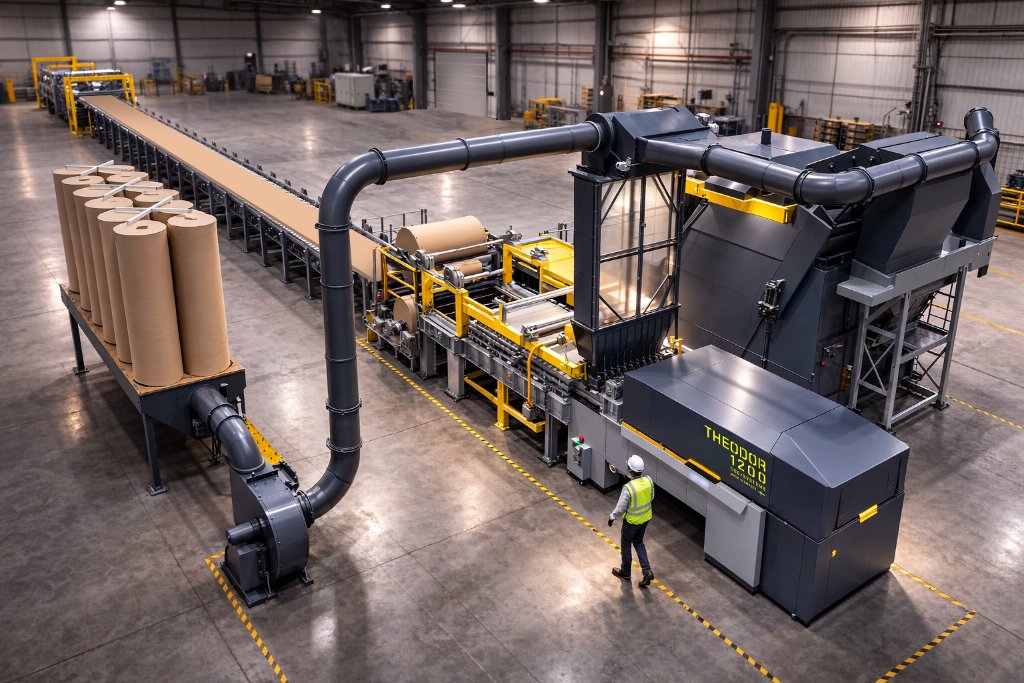
OSE licenses factory systems that turn agricultural straw into 58–60 mm structural wall-system boards for affordable housing. Machinery, know-how and support put production in local hands.
ONE CONNECTED SYSTEMTechnology → Local production → Housing
Watch & explore
Explore OSE in three short films.
Discover the technology, the local opportunity and a possible route to financing.
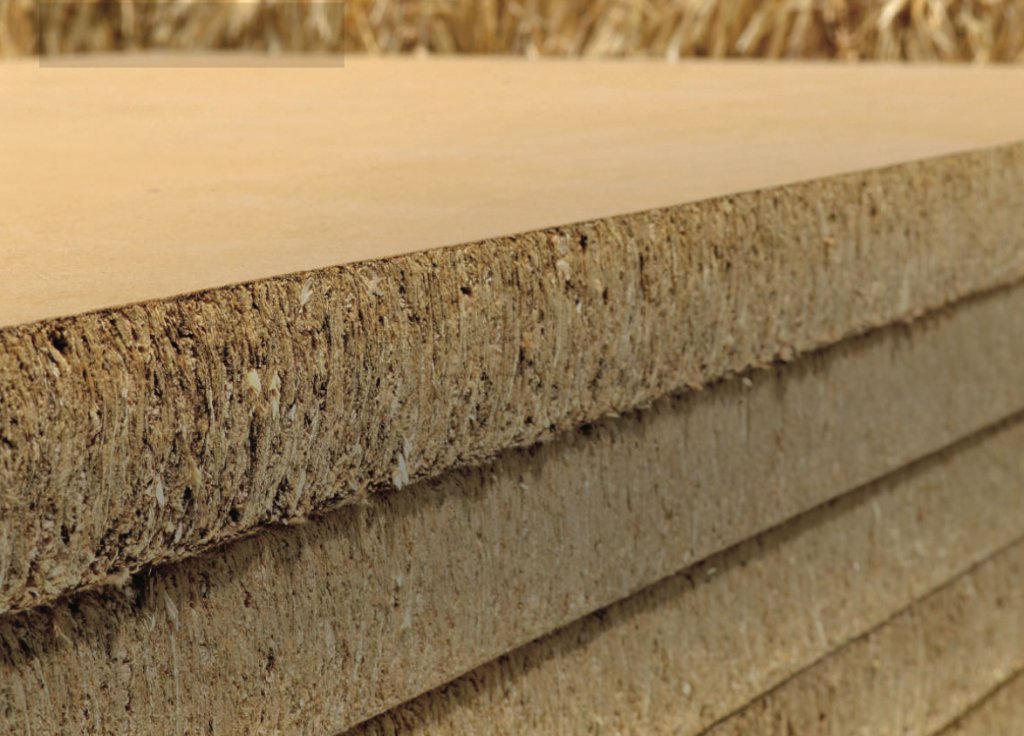
58–60 mmStructural wall-system board
Local wheat & rice strawAgricultural resources put to work
Machinery + licensing + supportA complete factory deployment model
Find your opportunityWhat do you
What do you
want to build?
A housing programme. A local factory. An investment. A better building. Start with your ambition.
Your opportunity with OSE01 / 05
Housing delivery. Local jobs. Lasting capability.
A housing programme can do more than deliver buildings. It can create the local capacity to keep building.
- Housing delivery
- Local industry
- Skills that stay
The OSE approachTechnology travels.
Technology travels.
The value stays local.
OSE Systems AB owns and licenses the technology. Local partners manufacture the boards, build their businesses and deliver homes.
Make more of local resources
Turn wheat or rice straw into a structural wall-system board, with local feedstock and production planning.
Create industrial capability
Deploy machinery together with operating know-how, training, maintenance and quality control.
Build a repeatable housing model
Connect local board production with coordinated designs, skilled installation and real housing demand.
The company & the evidenceKnow the system.
Know the system.
Make an informed decision.
Understand who OSE is, how the wall system is built and which evidence applies to your project.
The OSE resource centreSee the potential.
See the potential.
Understand the material.
What makes straw suitable for a factory? Learn how collection, moisture, storage and delivered cost shape a dependable local supply.
Explore the raw-material field guideCircular economy. Circular business.Keep materials useful.
Keep materials useful.
Keep value growing.
OSE connects agriculture, local manufacturing and construction. The aim is to make better use of resources while creating a business reason to keep them valuable.
What is a circular economy?
A circular economy is designed to prevent waste and pollution, keep products and materials in use at their highest practical value, and help nature regenerate. This means using resources carefully, extending product life, and planning for repair, reuse and recovery from the start.
What is a circular business?
A circular business earns revenue by helping materials and products stay useful. It makes resource efficiency, maintenance, reuse or recovery commercially worthwhile. For OSE, the model starts with turning suitable agricultural residues into building products and supporting the factories that make them.
Source responsibly
Use suitable surplus wheat and rice straw, while retaining what farms need for soil health and other uses.
Manufacture locally
Collectors, transporters and factory teams turn agricultural residue into OSE Boards using THEODOR 1200.
Keep materials useful
Use boards in engineered wall assemblies, plan cutting efficiently and design for maintenance and adaptable spaces.
How does the business create value?
Farmers and local suppliers: suitable surplus straw becomes a saleable resource, with work in collection, baling, transport and storage.
Local factory partners: manufacture and sell boards into local construction markets. Builders and installers earn income delivering the wall systems.
OSE Systems: supplies machinery, licenses its technology and provides training, commissioning and ongoing technical support under partner agreements. Maintenance and quality control help protect the productive life of each factory.
The feedback: building demand informs production and straw purchasing; experience from factories and installation informs improvements to the system.
How is the material loop completed?
Making a board from straw is the first step. A complete circular system also needs a practical route for materials after their first use.
OSE's development direction is to support disassembly, assess sound boards for reuse, and establish recovery routes for suitable offcuts and end-of-use material. These routes depend on board condition, facings, adhesives, finishes, assembly design and local facilities.
Reuse, recycling and safe biological recovery must be validated for the actual product and location. A bio-based board is not automatically compostable, and take-back is not presented here as an established service.
Responsible straw sourcing must also protect soil organic matter and account for existing agricultural uses.
Where carbon fits: straw-derived carbon can remain stored while the board is in use. Net climate benefits need lifecycle assessment. Any carbon-credit revenue is a separate opportunity subject to an applicable methodology, monitoring, independent verification and issuance.
The material that makes it possibleA different board.
Discover the board system
A different board.
A different way
to build a wall.
A 58–60 mm compressed agricultural fibre structural wall-system board, made mainly from wheat or rice straw. Large-format boards provide a dry assembly route for walls that would otherwise use brick or block.
1.2 × 2.4 mStandard board module
58–60 mmStructural wall-system board
THEODOR 1200 by OSEThe machinery is only
The machinery is only
part of the story.
Build the capability to run it, maintain it and turn its output into a local business.
A complete route
to local production.
- Machinery and production know-how
- Factory layout and commissioning
- Operator training and QA/QC
- Technical support through ramp-up
Your next chapterYour country.
Your country.
Your ambition.
Let's build the next step.
Bring the place, the people and the opportunity. We'll help define the path from first conversation to a viable project.
Start a conversation